










On the windy roof of a Burger King in Malmö, southern Sweden, Maggad Khalidy points to a large metal box attached to a jungle of pipes and wires.
From the outside, it’s far from an eye-catching innovation, but Mr Khalidy, who owns the fast food franchise that runs this restaurant, says it has saved the branch the equivalent of around $16,000 (£13,000) a year in heating bills.
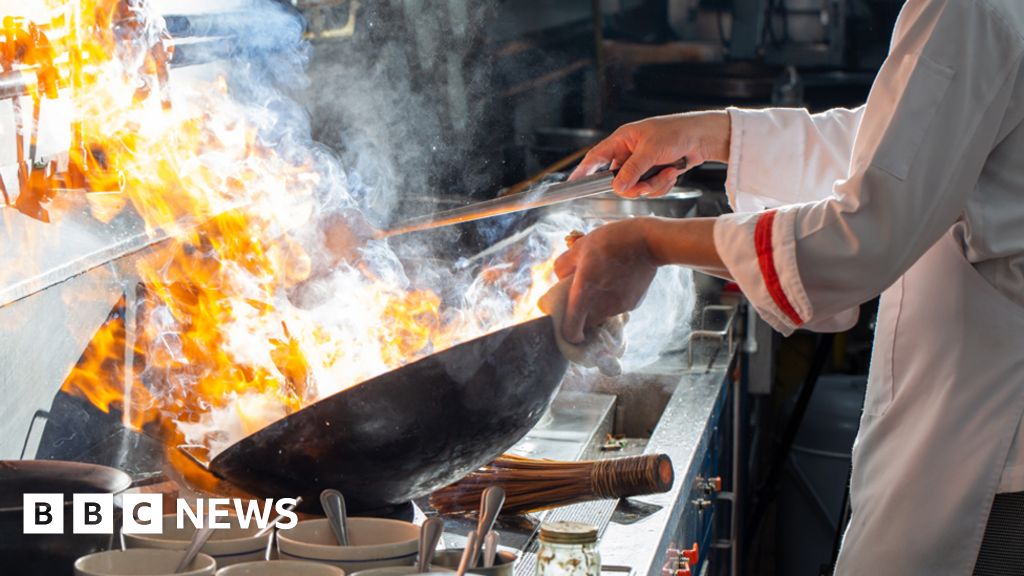
The box contains a new form of heat exchange equipment called Lepido, developed by a Malmö start-up called Enjay. It spotted a gap in the market for recovering energy from kitchen fumes, and using it to heat other areas inside restaurant buildings – helping to cut bills for conventional heating, and reduce emissions in the process.
“We were a bit sceptical in the beginning,” says Mr Khalidy, whose Burger King franchise in the Malmö suburb Bulltofta was selected for Enjay’s initial pilot project in 2016. “But we see the savings, and the return on investment is quite fast as well.”
Enjay is one of a handful of companies that can offer profitable energy recovery from kitchen exhaust.
Lepido became commercially available in 2018 and has since been installed in around 25 Burger King franchises across Sweden, Norway and Denmark, as well as school and hotel kitchens across the Nordics and the Benelux region.
Enjay’s co-founder Nils Lekeberg says that an average-sized restaurant using Lepido can cut its heating bills by up to 90% a year, and reduce its annual carbon footprint by 30 tonnes.
In the wake of the global energy crisis, Enjay says it is now experiencing a surge in requests from restaurateurs from other parts of Europe, Canada and the US, despite doing little marketing outside the Nordics.