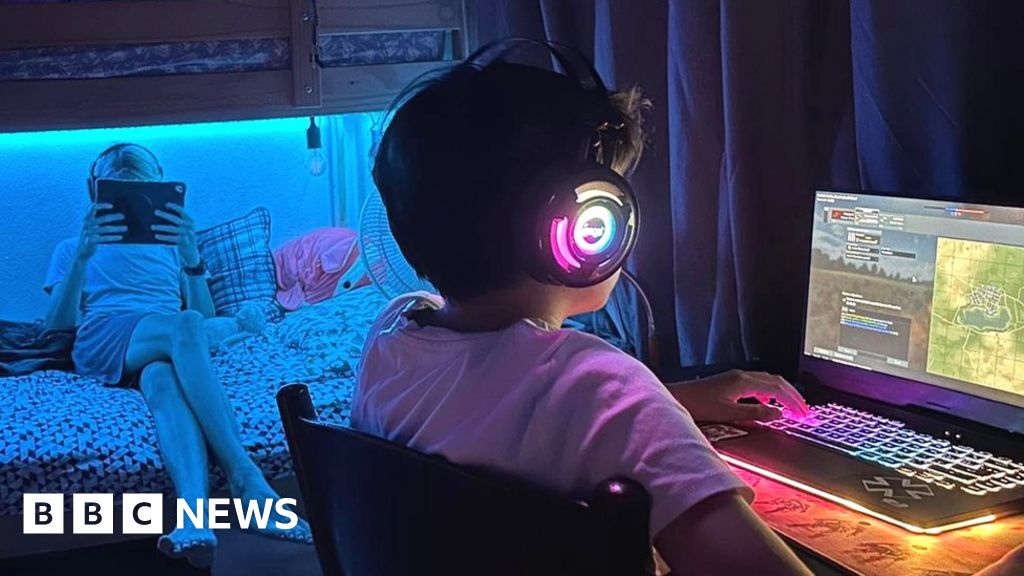











Gaming companies use behavioural psychology to manipulate users into spending, says Prof Sarah Mills, and the link between gaming and gambling is becoming “increasingly blurred”, she explains.
Ms Mills is professor of human geography at Loughborough University. Her research found gambling techniques make gamers play for longer and spend more money, and drive repeat buying.
Vicki Shotbolt, chief executive of Parent Zone, an organisation which helps parents navigate the digital world for their children, is more specific about how games incentivise players to part with their money.
By spending players can “avoid the grind” – where making an in-game purchase means you avoid hours of monotonous gaming to progress to another level.
“Fun pain” is where you risk losing something important if you don’t make a purchase.
Meanwhile, “obfuscation techniques”, like in-game currencies, make it hard to see how much you’re really spending.
Another tactic is the use of “loot boxes”. Players buy a box without knowing what’s inside. It could contain a game-changing item – but more often than not the prize is nothing more than a mediocre customisation.
“Young people recalled senses of shame when they reflected on the amount they spent trying to gain a rare item, even if they were successful,” says Prof Mills.
And – despite many children saying they dislike in-game purchasing – spending money on microtransactions has become an expectation.
While spending on games has risen, some argue that playing games can benefit young people and fears are exaggerated.
Gaming as a form of play has been found to relieve stress, help develop cognitive skills and combat loneliness.