














Five young Danish entrepreneurs had launched the online marketplace several months earlier. Restaurants and shops post what leftover food they have available, together with a time-slot for collection.
Members of the public can then purchase discounted meals or groceries through the app. The surplus food is saved from being thrown away – the firm makes money by taking a cut on meals sold.
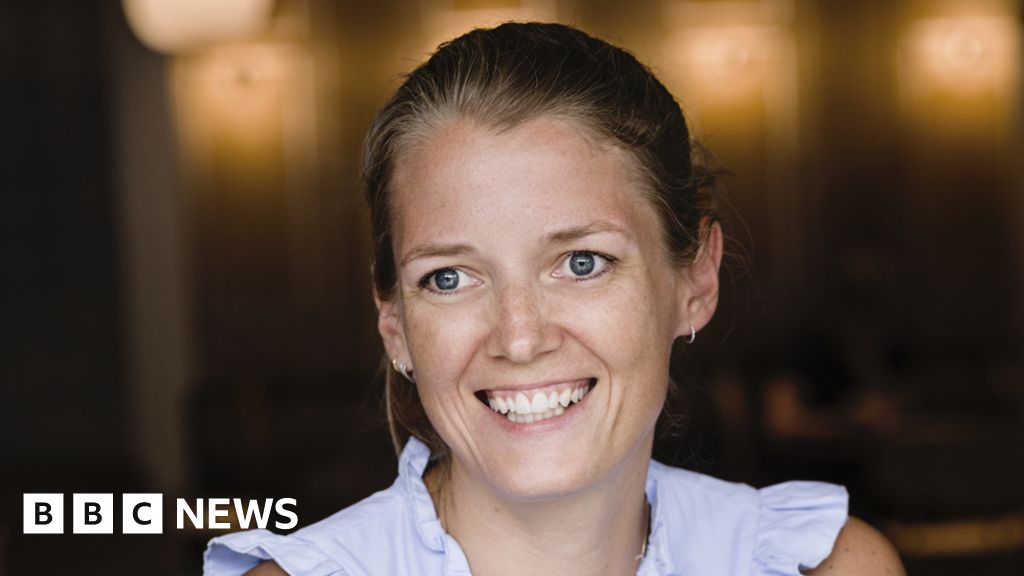
“The fact that we can help solve such a massive issue and then leave everyone as winners in the process, I thought that was really powerful,” says Mette.
She found the start-up “so exciting” that she invested. Several months later she left Under Armour and joined Too Good To Go as chief executive. “I wouldn’t have jumped into this if I didn’t think I could contribute,” she says.
According to the UN’s Food and Agriculture Organisation, one-third of the world’s food is wasted. When ranked alongside countries, food waste is the world’s third-largest producer of carbon dioxide after the USA and China.
In recent years dozens of firms have set out to tackle this, including similar platforms like Olio, Foodcloud and Karma. Alan Hayes, from food and grocery research group IGD, says these apps have “helped to raise awareness of food waste in businesses and in schools” as well as empowering consumers.
When it comes to changing behaviour about food waste, Trish Caddy, an analyst at fellow research firm Mintel, thinks consumers respond better to rewards. “The Too Good to Go app is particularly good at normalising eating leftovers by promoting end-of-day food at a discount,” she says.