



 Getty Images
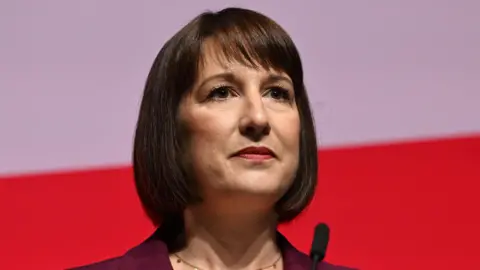
The future of two of Northern Ireland’s City Deals is expected to be confirmed later as the Chancellor, Rachel Reeves, delivers her budget.
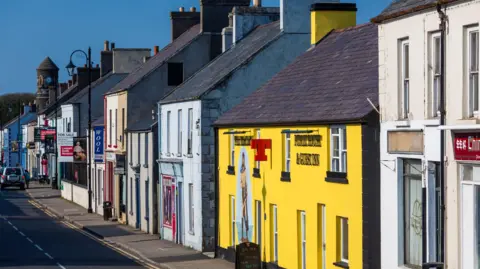
Funding for the Causeway Coast and Mid South West deals was “paused” during a pre-budget spending review.
Stormont’s Finance Minister Caoimhe Archibald said she hopes “common sense prevails”.
“I’m very hopeful we will get clarity and I hope that we get the right decision,” she added.
City Deals are regeneration funding packages worth more than £1.5bn, with about £600m coming from central government.


There are four deals in Northern Ireland: Belfast City region, Derry City and Strabane, Mid South West region, and Causeway Coast and Glens.
The funding pause provoked outrage among Northern Ireland leaders with First Minister Michelle O’Neill describing the move as “deplorable”.
The government later said it would “continue to work closely” with the Stormont Executive on the deals.
Independent MLA Claire Sugden said it was still not clear why these two city deals were paused in the first place and is hopeful they can still go ahead.
“We are hearing more widely that this budget is going to be a more difficult one right across the United Kingdom and I just hope that the growth deal for Causeway Coast and Glens and indeed Mid South West as well is not a casualty of that,” she told BBC Radio Foyle.
Need to start ‘as soon as possible’
Professor Liam Maguire is the Pro Vice-Chancellor for Research at Ulster University and sits on the board of three out of the four deals.
Speaking to BBC Radio Ulster’s Good Morning Ulster programme, he said these city deals would “improve economic growth and productivity”.
“These are really strong investment projects in local regions, and projects that have been decided by the local regions based on the strengths within those regions.
“It really does align in terms of what the government currently want to do so we would be really hopeful that they can be resumed and work can restart and we can progress these projects as soon as we can,” Prof Maguire said.
Chairman of the Mid South West Governance Steering Group Kevin Savage said he “really hopes that the news is positive today”.
“We’re talking about a package of £252m from central government as well as the Executive so we really need this £126m from Westminster to progress this, and that will leverage additional funds as well from the private sector.
What are the deals?
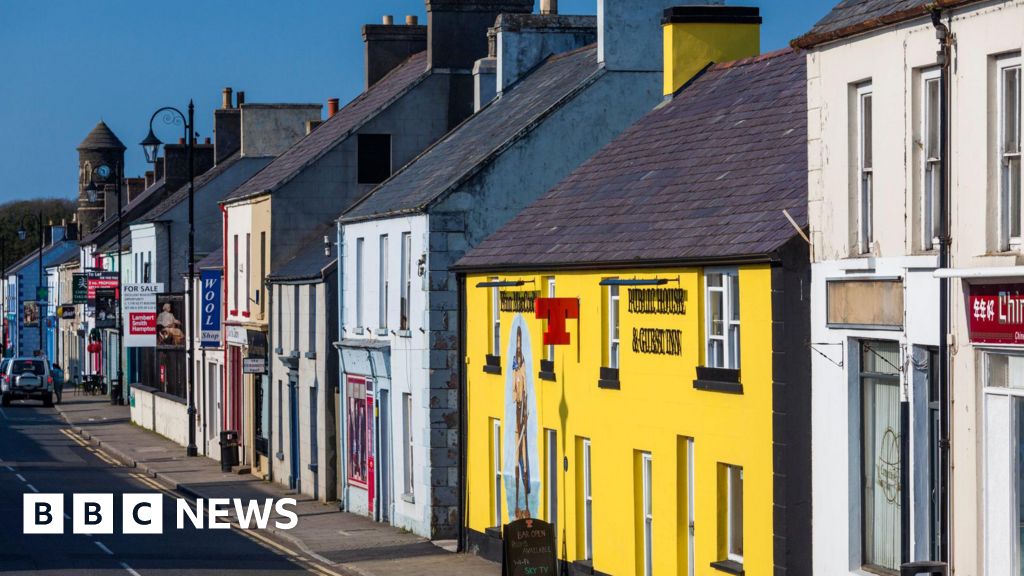
Projects in the Causeway Coast and Glens deal include:
- Centre for food and drug discovery at Ulster University Coleraine
- Innovation hub at North West Regional College, Limavady
- Dungiven and Bushmills regeneration
- Cushendall innovation centre
- Coleraine leisure and well-being centre
- Portrush to Bushmills greenway
Mid South West have not published an itemised list, but said their projects would focus on skills, innovation, infrastructure and the tourist economy.
Stormont ministers will also find out what the budget will mean for their spending plans.
Devolved administrations get additional money when a spending decision is made for England.
This funding is allocated using a population-based calculation called the Barnett formula with the additional spending known as Barnett consequentials.
The finance minister has said the Executive can expect to receive a total of £500m in Barnett consequentials this year.
The chancellor has warned that her budget will involve “difficult decisions” including tax rises to help pay for public services.
She is planning to increase employers national insurance, a tax that employers pay on their workers’ earnings.
‘Pretty difficult’

The chancellor announced an increase in the National Minimum Wage and National Living Wage on Tuesday.
Steven Orr started his bagel business with his wife, Kirsty, about three years ago during pandemic.
They just opened their first store in Belfast city centre last week.
Mr Orr is worried the announcement could affect his hiring plans.
He said: “For most people in hospitality, employee costs is the biggest cost. Rent and electric are big but employee costs are the single biggest cost we pay.
“For a lot of us, we are either going to not hire new people, or try to do more in less time with the people that we have which is always pretty difficult when you’re busy anyway. “
‘It’s hard’
The chancellor is expecting to announce an increase in the national insurance contributions paid by employers, as well as reducing the threshold to start paying them.
“We’re right beside the university here we’ve got lots of student employees so lowering the threshold means that what might have been a nice student part time worker, the costs are just going up to hire those people,” Mr Orr added.
Mr Orr does not think employers should bear the brunt of the need for increased tax revenues.
“For the last few years, everyone has referred to the cost-of-living crisis, but it feels more like the cost-of-business crisis as it’s the businesses that have the increased wages, electricity on the commercial side went up so much more than the residential side, every ingredient has gone up.
“Then people complain when you have to put your prices up.
“It’s hard – we’ve only known it to be hard times over the last three years.”