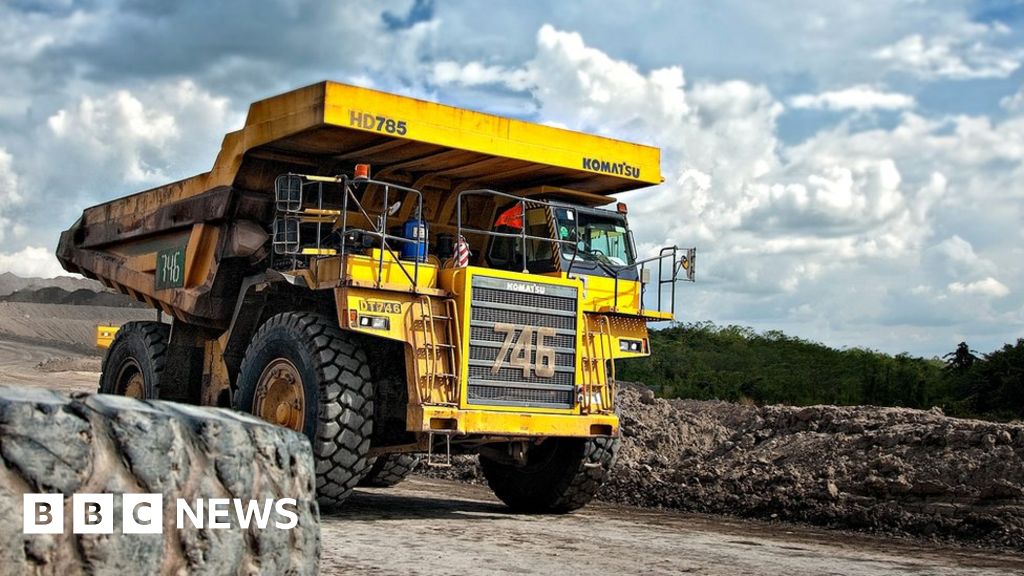












The bigger version, or the UNSW’s “baby number two”, has twice the volume of the original prototype and has the potential for a “massive reduction in CO2” emissions, according to Prof Kook.
The vision is laid out in a paper published, external in the International Journal of Hydrogen Energy.
Much of the invention’s impact on the environment will depend on where the hydrogen comes from.
While small amounts of hydrogen are being extracted directly from the ground, most hydrogen is manufactured, in a process that emits CO2.
Green hydrogen, produced by using electricity from renewable power to split water into hydrogen and oxygen molecules using an electrolyser, is seen as the answer. But the technology and the electricity needed is costly, so at the moment only a small amount of hydrogen is produced this way.
But the costs are likely to come down and with abundant sunshine and wind, Australia has a lot of potential to produce renewable electricity, which could one day be used to make more green hydrogen.
The Climate Council, an independent organisation, believes that sustainable hydrogen gives Australia the chance to end its reliance on fossil fuels.
“Australia is one of the world’s largest coal exporters and the largest liquefied gas exporter,” the Council wrote in a 2021 briefing. “Both are polluting fossil fuels, and Australia is paying a high cost for that with more severe and frequent extreme weather events like bushfires, heatwaves, and drought.”