

















In July, the China Passenger Car Association predicted, external that 6 million new EVs would be registered in the country in 2022 – a revision of its previous forecast of 5.5 million EVs to be sold this year.
Tesla had its best ever month in China in September, according to its most recent figures, external, selling 83,135 cars.
Nearly a quarter of all cars newly registered in China are now electric or plug-in hybrid vehicles, external, meaning that the country is ahead of Europe and well ahead of the US in adoption of these technologies. Half the world’s EVs are sold in China, external.
And this is largely driven by government mandates and incentives, says Ms Hsieh. For more than a decade, the Chinese government has subsidised EV purchases. The value of these subsidies has fallen over time, and they are due to end by 2023, but there are still plenty of reasons why buying an electric car is a financial no-brainer.
Many buyers of new fossil fuel vehicles in China have to pay out, not only for the car, but the licence plate as well. “It’s really expensive,” says Ms Hsieh. A new licence plate in Shanghai costs, external nearly 100,000 yuan (£12,500; $14,000).
There are other perks if you opt for an EV instead, though they differ from city to city. In Liuzhou, authorities have allowed, external EV owners to drive in bus lanes. And they get access to free parking spaces as well.
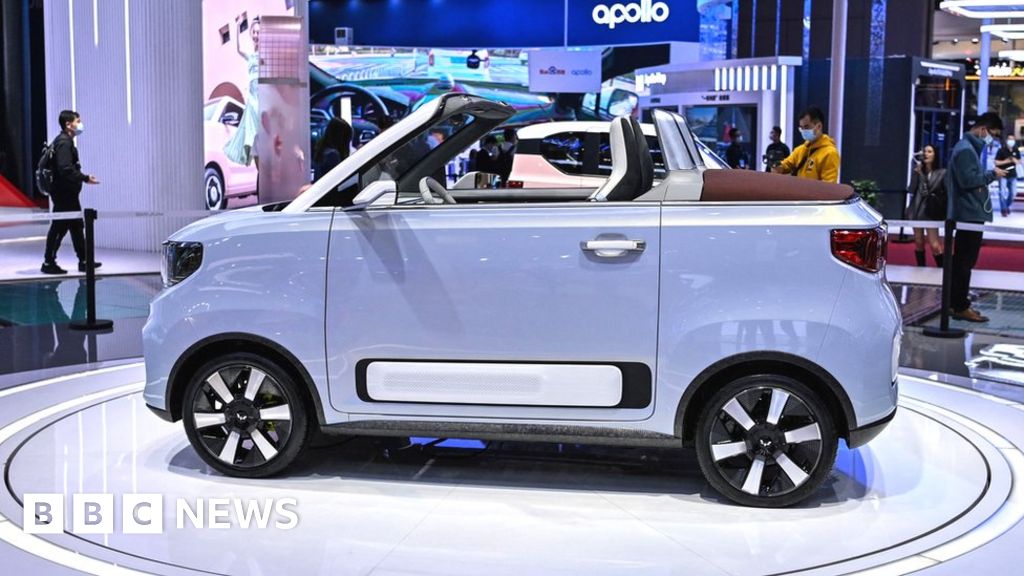
Then there is the potentially irresistible price tag of some vehicles. The Wuling Hong Guang Mini EV bucks the trend of EVs being a relatively expensive option.