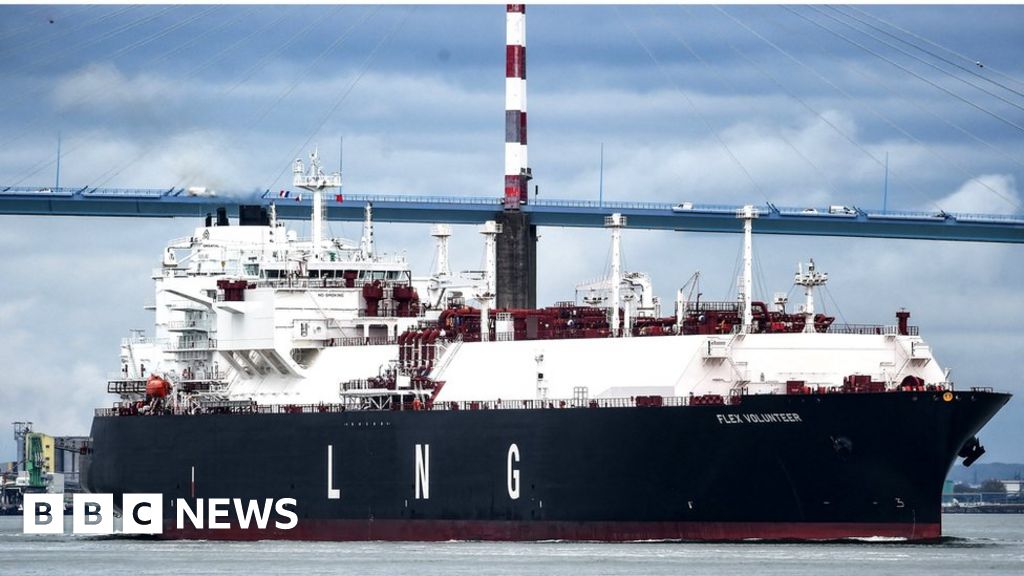


















So why are ships loaded with LNG just hanging around Europe, exactly? The answer, as you might have guessed, is a little complicated.
Someone else who has watched the accumulation of vessels is Fraser Carson, a research analyst at Wood Mackenzie. This month, he counted 268 LNG ships on the water worldwide – noticeably above the one-year average of 241. Of those currently at sea, 51 are in the vicinity of Europe.
He explains that European nations plunged into a gas-buying spree over the summer that aimed to fill onshore storage tanks with gas. This was to ensure that heaps of fuel would be available to cover energy needs this winter.
The original target was to fill storage facilities to 80%, external of their total capacity by 1 November. That target has been met, and exceeded, far ahead of schedule. The latest data suggests, external storage is now at nearly 95% in total.
Imported LNG has played a key role in getting Europe to this point.
But as LNG continues to be brought ashore, demand for facilities that heat the liquid and turn it back into gas remains high. There aren’t very many such plants in Europe, partly because the continent has long relied on gas delivered via pipelines from Russia instead.
So that’s one reason why LNG ships are waiting around – some are queuing for access to regasification terminals. In the meantime, Germany and the Netherlands have invested in new regasification facilities. Some, rapidly built using converted LNG ships pinned to docksides, are expected to become operational within months, external.
On top of this bottleneck, less gas is getting used up in Europe than it otherwise might at present because the weather has been very mild well into October.