






“We know that more and more people have been on social media, and conference calls, because they’ve been stuck at home,” says Dr Helena Lewis-Smith, a psychology researcher specialising in body image at the University of the West of England.
“There’s a tool on Zoom, for example, allowing people to smooth their skin’s appearance. People who are more likely to press that button during these calls are more likely to be invested in their appearance, and have a worse body image.”
The growing trend of male cosmetic surgery is more pronounced in the US, where demand has trebled over the past two decades, external.
“Our society places a premium on youthfulness,” says Dr Alan Matarasso, a previous president of the American Association of Plastic Surgeons. “Men are as concerned as anybody else about their appearance.
“And there’s been a change in the culture of male preening – it’s become socially acceptable for men, whereas before it might not have been so.”
The changing patterns of modern work also provides a more hard-nosed business logic, he thinks.
“We’re not in a world any more where somebody lives in the same house, or works in the same job, their whole lives,” says Dr Matarasso. “And whether you subscribe to this or not, many of us judge people on first impressions.”
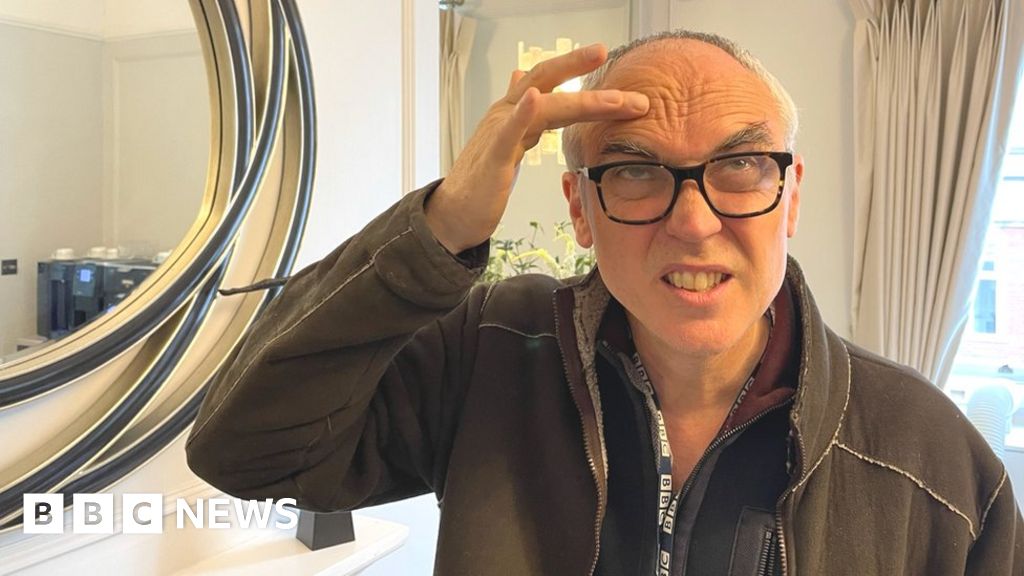
I hadn’t been pressing any image-altering buttons on video calls, but I was curious to see what the fuss was about. I had already discussed my plan with friends and family, whose responses ranged from smirks and alarm, to fascination, and in one case – ill-concealed envy.
Plastic surgery does start to feel like the front-line of an undeclared culture war, with prejudice and shaming liberally dispensed on both sides.