
























Trade deals aim to increase the choice of what’s available from other countries – and lower prices. But that has to be balanced by protecting the needs of businesses at home. And this is the tricky bit.
While the UK has managed to largely replicate the EU’s deal with Japan, the issue of cheese, such as Stilton, has caused a stink.
Britain wants better access for its cheese farmers; Japan isn’t keen. Is this really worth the strife, given that Japan only buys about £2m worth of British cheese? Well, it’s not about the current picture, but the potential for growth.
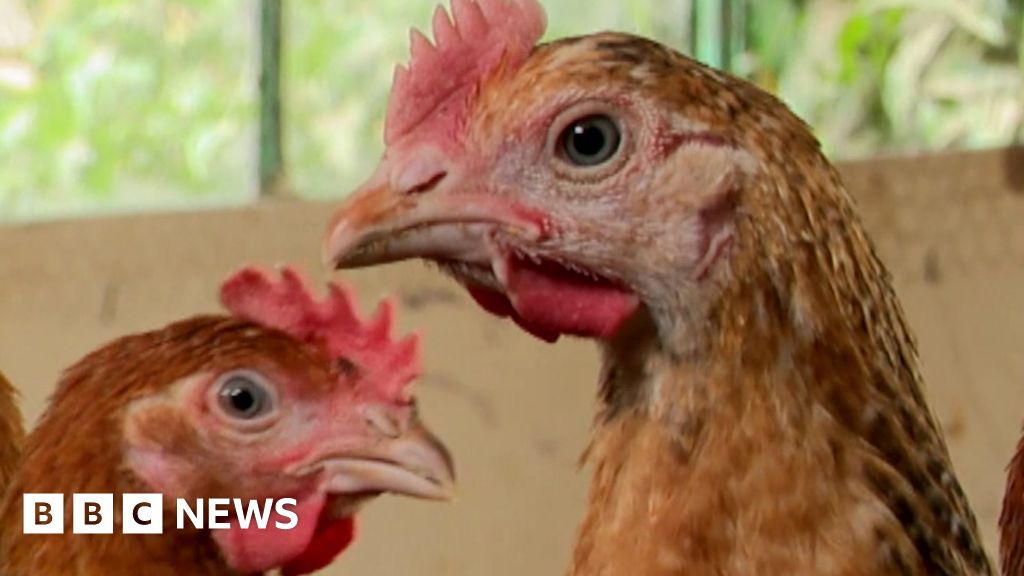
Ditto the US and its chickens. America has made no secret of the fact that it wants its farmers to have a bigger presence on British plates. That’s currently up for discussion, and may cause ructions.
But what isn’t being negotiated is a lowering of standards to American levels – such as the conditions in which chicken can be raised, the reason they’re rinsed in chlorine. That responsibility falls to the UK Food Standards Agency.
And hard to swallow in Brussels has been the UK’s demand for the right to catch more fish in surrounding waters. Fishing makes up less than 0.2% of the UK economy – but, again, it’s about the potential gains.
And it’s about keeping voters happy: trade deals are as political as they are economic. So even talks over small-fry matters mean trade deals take years to hammer out.