
















“Freight rates for shipments from Izmail to Constanta port [in Romania] went up by around 50% from early July to late August,” says Andrey Sizov, an expert on the Black Sea agricultural markets.
“The intensity of the most recent attacks could mean these rates would rise even further.”
Only a handful of vessels have used the corridor across the Black Sea since the end of the grain initiative, but they weren’t carrying grain., external
And using a narrow river corridor means there’s a physical limitation on exports, compared with shipments by sea.
“With the grain deal being over, the export of Ukrainian grain will stumble at maximum export capacity by river, trucks and rail to about 2.5 million tonnes per month,” says Mariia Bogonos, an agriculture policy expert at the Kyiv School of Economics.
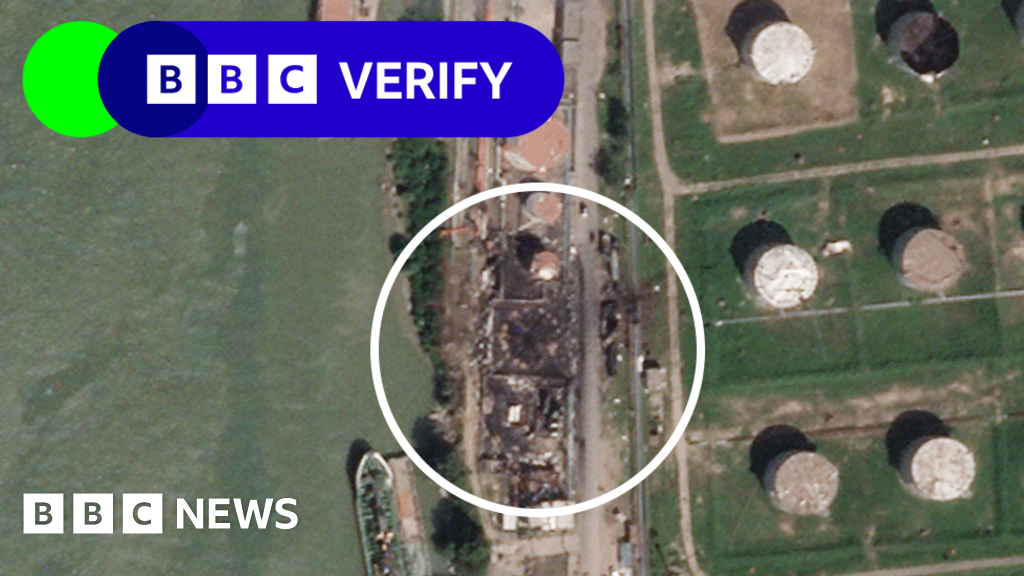
Attacks in August temporarily closed the Danube port of Reni, but ports on the river did appear to resume normal operations afterwards.
However, the targeting of these ports means shipping and insurance costs are rising.
Romania has said that said it would look to enhance other routes via road and rail for Ukraine’s grain exports.
Ukraine has also started using Croatian ports to export some grain, according to Deputy Prime Minister Yulia Svyrydenko. However, she didn’t make clear how much was going via this route. , external
Additional reporting by Tural Ahmedzade, Paul Brown, Joshua Cheetham, Filipa Silverio, Benedict Garman and Alex Murray.