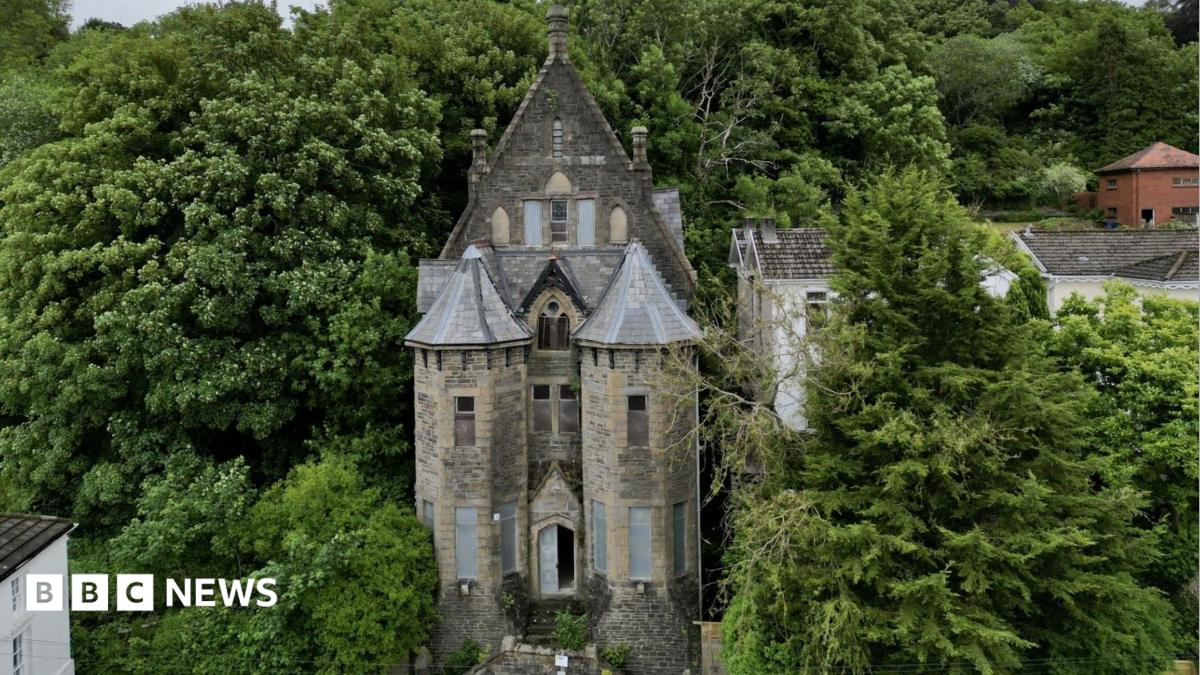













The neo-gothic building is described as architecturally unusual and was influenced by other buildings of the period, such as Castell Coch at Tongwynlais, on the outskirts of Cardiff, and Merthyr’s Cyfarthfa Castle.
In 1978, the building was listed as Grade II*, but due to a dwindling congregation it closed in 1983, and was downgraded to Grade II.
The building has since been used as a Christian centre and as a gym, but closed its doors for good in 2004.
Planning permission was previously granted to convert the building into flats, but the plan now is for it to become Wales’ national centre for Jewish history.
The surrounding landscape will include activity spaces and interpretation features, including a tree propagated from the original Anne Frank tree in Amsterdam.
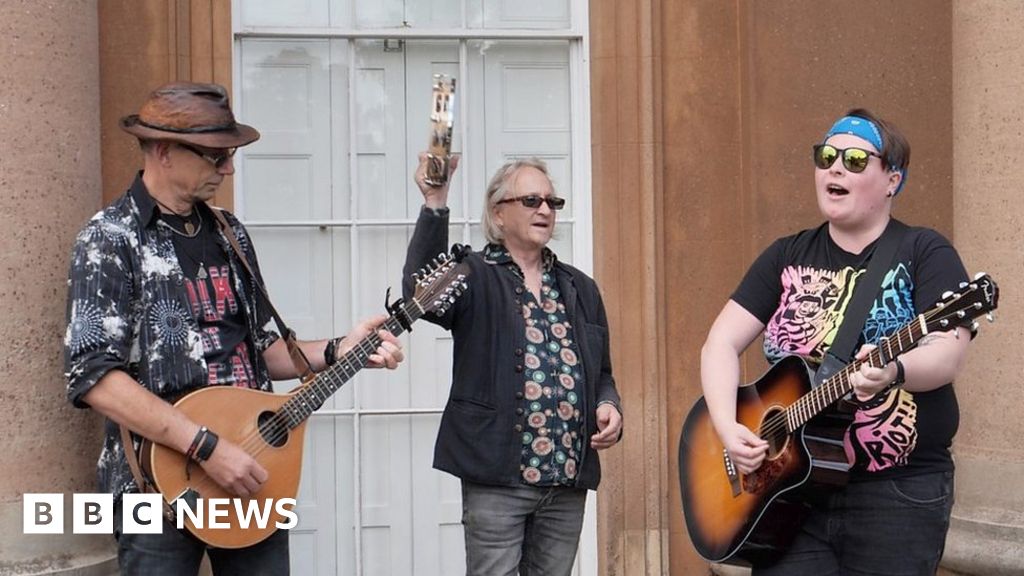
Planned events will feature talks, performances, tours, festivals, workshops, and celebrations of major Jewish festivals.
David Bearman of the Welsh Jewish Cultural Centre said he was “delighted” by the funding, which will support an exhibition on the contributions of Welsh Jewish communities to Wales’ social and economic development.
Andrew White of The National Lottery Heritage Fund said the project will “bring to life the rich and often under-told stories of Jewish communities in Wales, celebrating over 250 years of history and culture”.
The project will also include a community-created stained glass, restored prayer hall features, and a permanent exhibition on Judaism, Welsh Jewish heritage and the building’s history.