









In the UK, the number of people experiencing insomnia rose from one in six before the pandemic, to one in four during it, according to a study last year by the University of Southampton., external
Meanwhile, the word “insomnia” was Googled in the US in 2020 more than ever before., external
As well as increased general stress and anxiety levels, a rise in sleep problems has been put down to other factors caused by the pandemic – such as the enforced changes to daily routines and social lives.
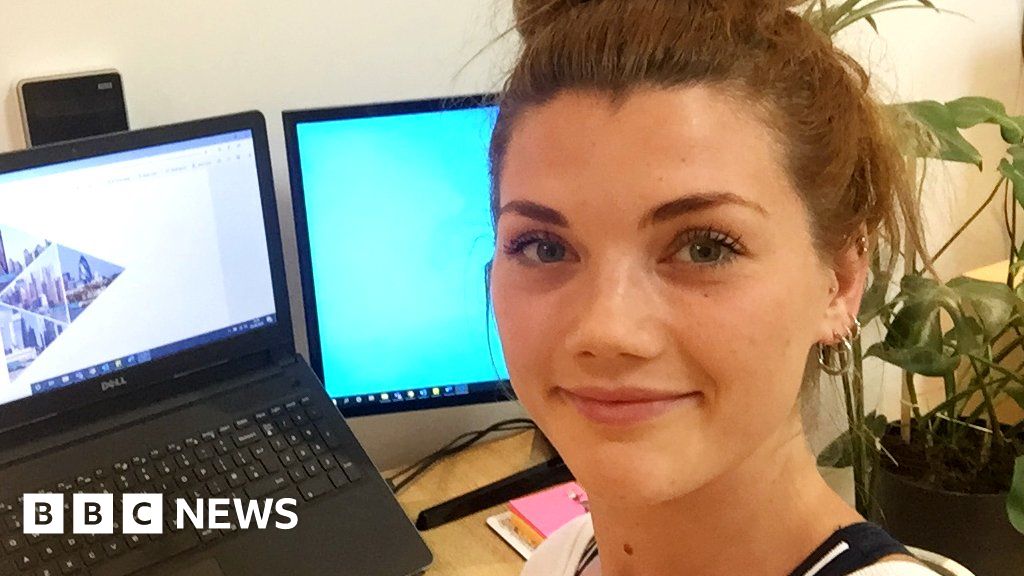
With tired staff less productive, the pandemic has led to a number of companies focusing on helping their employees get a better quantity, and quality, of sleep. Ms Baker’s employer, a London-based marketing firm called MVF, is one such business.
When the pandemic hit, MVF expanded its wellbeing support for employees, to offer mental health coaching sessions and workshops focused on sleep, along with free subscriptions to the meditation app, Headspace.
Ms Baker says the extra support has helped her insomnia. “[The resources] helped me learn to recognise and manage how the pandemic has affected me and the people around me, and put my mind at ease a little, which is a big relief,” she says.
Katie Fischer, a sleep coach and founder of Circadian Sleep Coaching, works with businesses to provide support to employees. Along with the increase in anxiety, being stuck inside during lockdown has been a contributor to the rise in sleep disruption, she says.
“Many people have been sleeping later [in the day] because they are getting outside less,” she says. “They are less active and finding it really hard to decompress at the end of the day.