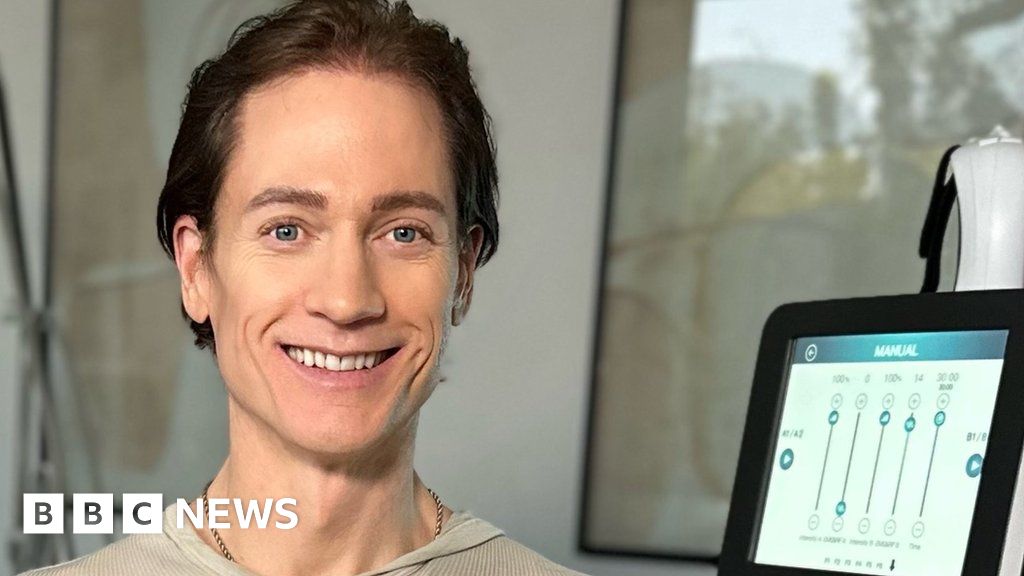







For my part I’ve found health tracking illuminating. I am not diabetic, but have been fascinated by the findings of a continuous glucose monitor I wore for a while.
The assumption is progress on longevity will come, albeit in a less sensational form than some may be hoping for.
Experts suggest that a drug might emerge that will initially make a year or two’s difference, then a few years more with the next generation, and so on.
But along with such progress will come practical and ethical dilemmas.
One fundamental question is whether ageing can be defined as a disease. This might simplify the approval of drugs by regulators, but risks labelling people over a certain age “diseased”.
The cost of such treatments may or may not (for developed medical systems anyway) be an issue, depending on what it turns out to be.
Meanwhile, a healthier life is likely to lead to a few extra years of existence, so we may need to work longer.
On my longevity learning mission, my expectations were upturned.
I’d seen the sensationalist headlines, suggesting tech billionaires lounging on their yachts, deliberating over whether they fancied saving the world, going to space, or “curing” ageing.
This wasn’t the reality I saw. The wealthy have been giving money to medical research for years. This is just a new generation of wealth, and a potential new specialism of medicine.
Plus it’s really interesting, and affects us all.
But right now, extending your healthspan involves hard work. As Silicon Valley-based journalist Danny Fortson put it: “Exercise is hard, magic pills are easy, so that’s why everyone is so excited about the pill.”
So I returned home feeling more determined than ever to live my healthiest life – sleep better, exercise without excuse, eat well, cherish social connections (yes, this was on the longevity prescription).
With a bit of luck that might buy me enough time to benefit from any scientific breakthroughs.