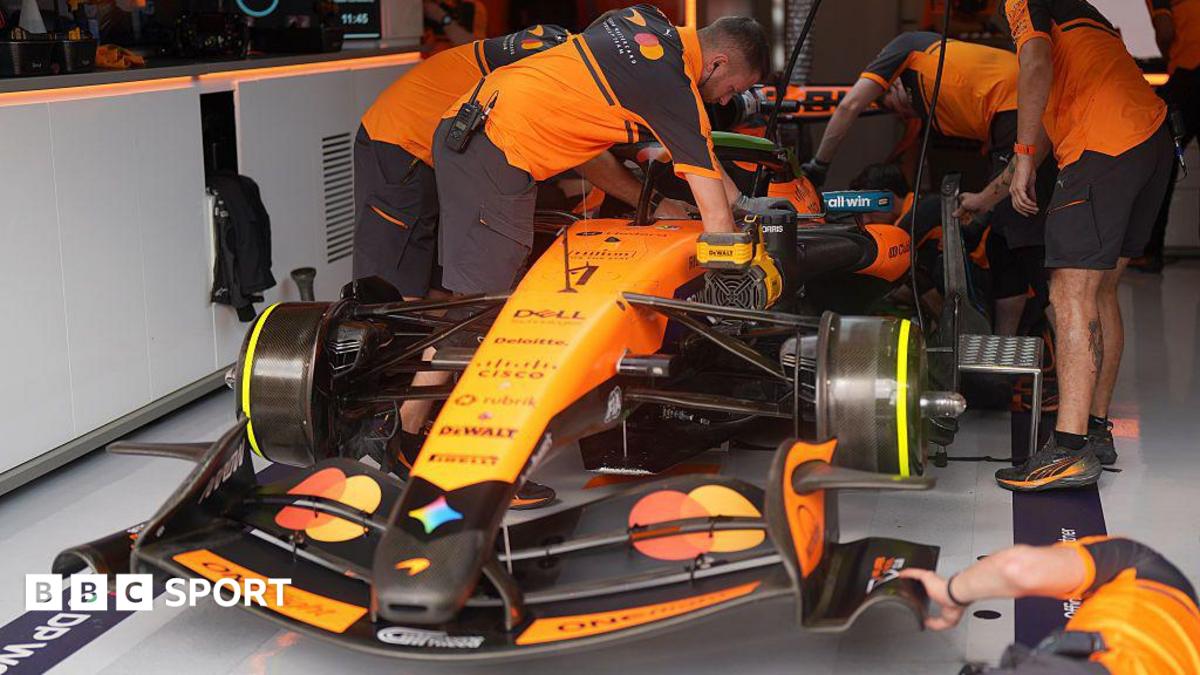
The summer shutdown, implemented by Formula 1’s governing body the FIA, is a mandatory 14-day consecutive period where all competitors and their staff are prohibited from working.
During the two weeks, teams cannot carry out any work related to the car performance – including design, development, production of parts and use of simulators – so no-one gets an unfair advantage.
Emails, phone calls and meetings about performances are also forbidden, and costs are kept in check because of the pause.
Teams must notify the FIA of their intended shutdown period during the summer break, which this year falls between the Hungarian Grand Prix at the end of July and the Dutch Grand Prix towards the end of August.
Teams tend to opt for the middle two weeks, which allows time to debrief after the previous race and prepare for the next.
Repairs to “seriously damaged” cars can be carried out during the shutdown, with approval from the FIA.
Anyone breaking these rules during the shutdown receives a penalty.
However, departments not directly related to the performance and development of the car – such as marketing, finance and legal – can continue to operate as normal during this period.
There is a second shutdown of nine consecutive days at the end of a season, in December.