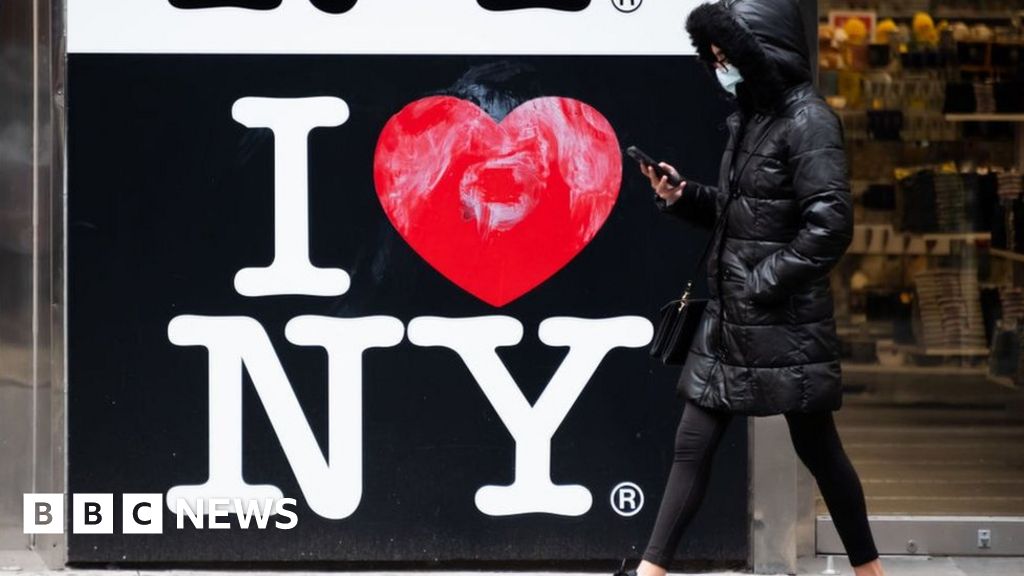










Since March, property firms and moving companies have reported a rush of demand from people leaving New York, many of them young families, as the pandemic drives demand for bigger homes and more outdoor space, while making relocation easier by expanding remote work.
And so far, the surge hasn’t shown signs of slowing, says Liz Nunan, president of property firm Houlihan Lawrence, which handles home sales in suburbs around New York City, and reported its best year on record in 2020.
“One of the things I learned in 2020 is that I have no idea what the future holds, but I feel rather bullish on 2021,” she says. “I believe we’ll have a year that’s nearly as strong as 2020 turned out to be.”
Last year, longer distance relocations from New York City helped push New York the state to the biggest population decline of any in the US, putting it on track for its first population fall of any decade since the 1970s.
The signs of outflow have spawned a small universe of articles debating whether New York City is dead or dying, and what – if anything – should be done to help it recover.
And as the US confronts an economic crisis likely to outlast the pandemic that precipitated it, such concerns are not unique to the US’s largest city.
Smaller downtowns across the country have watched in despair as signs of long-sought revival – new restaurants, businesses in formerly abandoned buildings – disappear almost overnight.
“This is a difficult time for everybody,” says William Frey, a demographer at the Brookings Institution think tank. “The real issue is: can these cities hold their economic vitality?”