










The DIP also says the Ministry of Defence (MoD) will attempt to make efficiency savings worth almost £11bn by 2030.
The MoD is planning to deliver the savings by reducing the civil service workforce, cutting back consultancy spending, and expanding the use of technology.
Defence officials say the increase in defence spending is not conditional on the savings being made.
The DIP also says a number of defence programmes have been scrapped, including Storm Shadow missiles, a new satellite system, and Wildcat utility helicopters, which will now be phased out in favour of an “autonomous replacement”.
Sir Keir has pushed ahead with the DIP despite his impending departure from Downing Street after announcing his resignation last week.
Tense Whitehall negotiations over how to fund it have been ongoing for months.
Defence Secretary Dan Jarvis told BBC Newsnight he had discussed the investment plan with Burnham, but it is understood he could not be briefed on certain security issues and did not sign off the full thing.
Jarvis would not confirm if Burnham had been told that he would need to find an additional £4.7bn to fund the defence investment plan if he becomes prime minister.
Two defence ministers quit, with Armed Forces Minister Al Carns joining Healey in resigning over the scale of the proposed uplift.
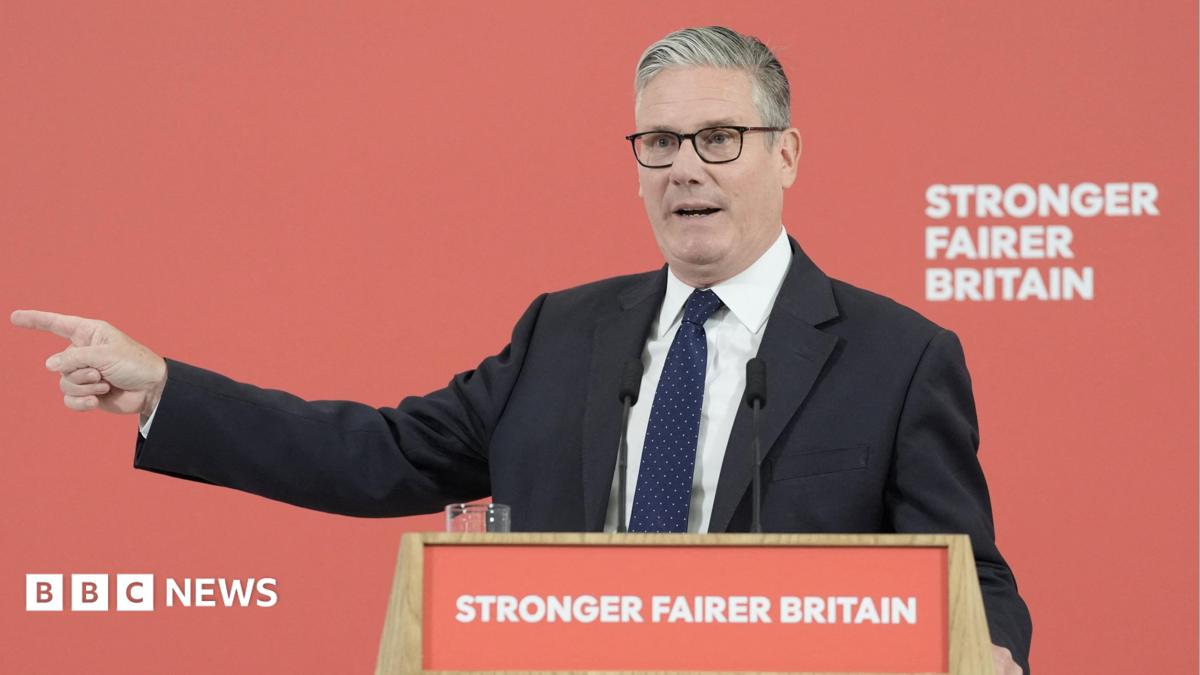
In his speech, Sir Keir nodded to these difficulties, arguing “the hard truth is that there are no easy answers”.
Sir Keir said the plan would now increase the military budget to 2.7% of gross domestic product (GDP) by 2029, and put the UK on track to meet Nato’s core defence spending target of 3.5% of GDP by 2035.
The prime minister said the UK was on track to spend 3% of GDP on defence in the next five-year Parliament – but he did not set a more specific date on this target, something Healey had called for.
The DIP says the plan to hit the 3% target would be set out at the next spending review, which is currently scheduled to take place next year.
The DIP follows the wide-ranging Strategic Defence Review (SDR), which was published in June 2025 and pledged billions in extra spending to fund a shift towards “warfighting readiness”.
General Sir Richard Barrons, one of authors of SDR, said while the publication of the DIP “does count as progress”, it would not “crack the issue” defending the UK “sufficiently well and quickly”.
Speaking earlier, he said: “More has to be done sooner and that requires more money than is currently on the table”.