











“In the last decade Israel and the Gulf states have been facing common enemies, namely Iran and her proxies, and although the Palestinian issue still remains there is no longer the Arab-Israeli conflict.”
The Palestinian Authority has, however, sharply criticised the normalisation deals with Israel, accusing such Arab states of selling out their cause.
Outside of the Gulf, Morocco has since also signed a similar normalisation agreement with Israel. As has Sudan, although progress between that country and Israel has stalled.
Mr Ya’alon is now the chairman of Synaptech, an Israeli-run, Abu Dhabi-based investment fund.
He believes that defence alliances are a key component to Israel’s new ties with the Gulf states. But for national security reasons, he can’t give many details. He’ll only confirm: “We have found a way to cooperate about security.”
Mr Ya’alon insists there are lots of other areas for growth as well.
“Gulf state leaders realised they need something more than oil, such as high tech, sophisticated agriculture in the desert, exploitation of water etc,” he says. “In Israel we are fortunate to have achieved these technologies. So we have many common interests.”
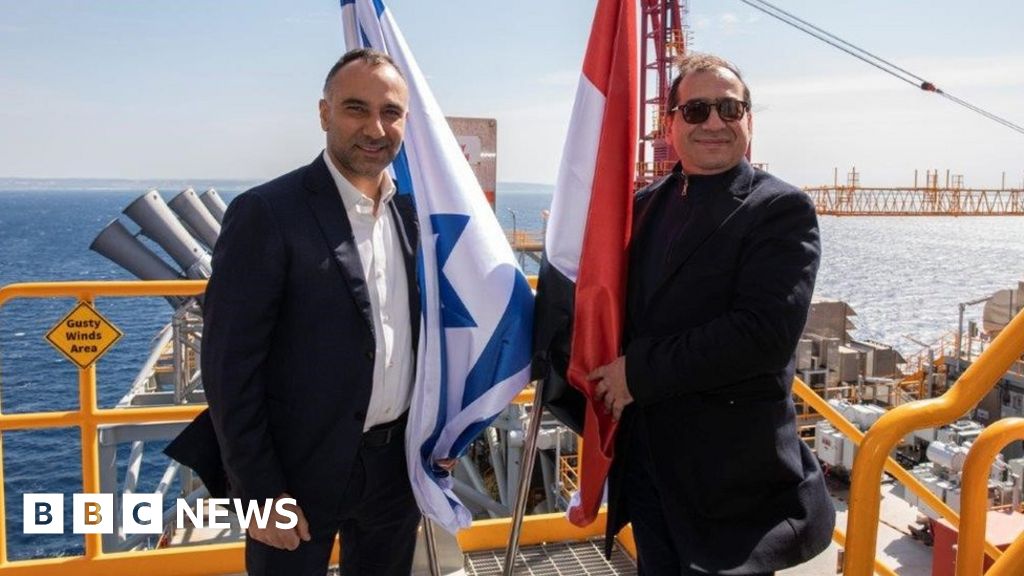
Deals are also being signed between Israeli and UAE firms in the energy sector. In September of last year Israeli company NewMed Energy (then called Delek Drilling) announced the sale of its 22% stake in Israeli offshore gas field Tamar to UAE firm Mubadala Energy for $1bn.
NewMed had needed to find a buyer to comply with government competition rules.
“The deal we signed with Mubadala was a significant step in deepening our regional activity and is part of our goal to strengthen our relations with the countries of the region,” says NewMed chief executive Yossi Abu.