






Raw emotion, confessional lyrics and sharing everything in videos online.
In 2026, fans want their pop stars honest, raw and real.
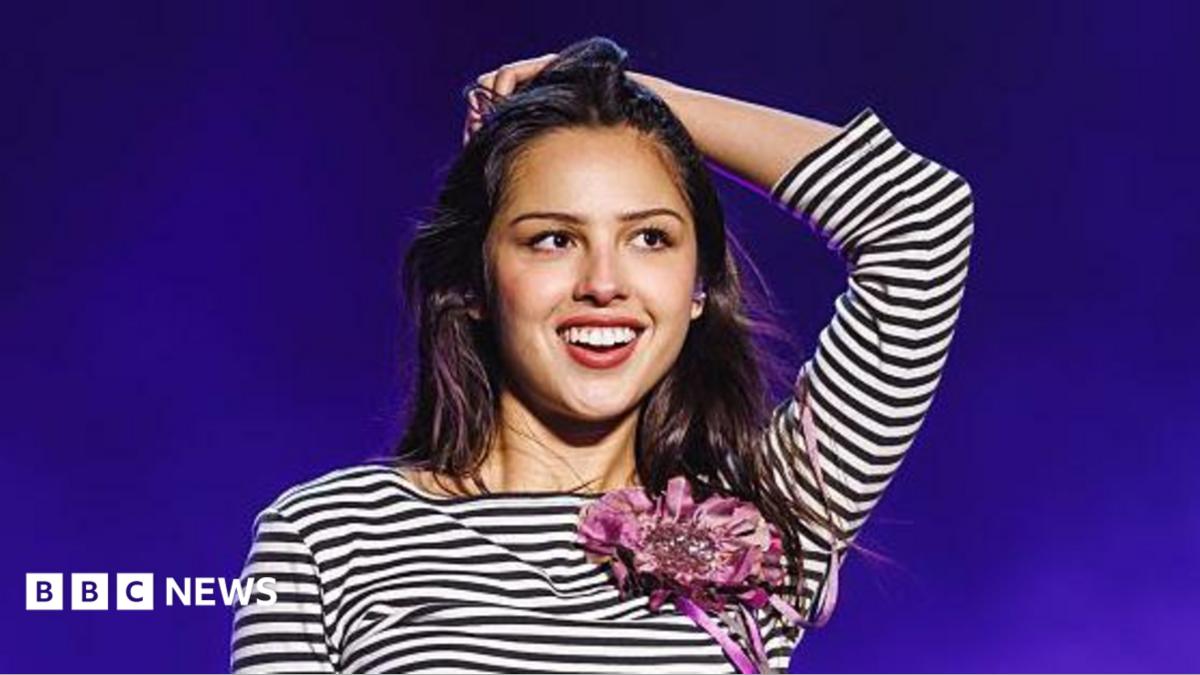
Olivia Rodrigo, arguably the queen of the new, unfiltered breed of female singers, has dominated the UK charts this week with three top-five singles.
She’s also landed a number one album which, in her words, chronicles a “love story that falls apart”.
And Rodrigo’s not the only one having similar success.
Lola Young and Olivia Dean are also among the singers whose perceived authenticity has won them millions of fans and multiple prestigious awards.
It seems to be the end result of a shift where the music industry has gone from a world run by record labels and managers to one where artists appear to control the narrative.
How real those stories are is something we may never know – even Olivia Rodrigo has previously admitted some of her songs aren’t inspired by her own experiences.
But there’s clearly a demand for the confessional style.
BBC Newsbeat’s been speaking to artists and those who work behind-the-scenes on helping them to build their images about the opportunities it creates and the demands and challenges it presents.
British singer Alessi Rose, a BBC Radio 1 Sound of 2026 nominee, says pop music did not use to be seen as a place to process serious thoughts and emotions.
“Whereas now there are so many pop stars that speak about things that are so personal and so intricate and niche.
“It’s so great that so many people relate to it,” she tells Newsbeat.
The 23-year-old’s poetic observations on heartbreak and self-doubt have led to her being dubbed by some as “Derbyshire’s Olivia Rodrigo”.
Rose’s latest single, Skin, explores “feeling not quite myself and cycling through all these thoughts that the average teenager to 20-something is constantly going through”.