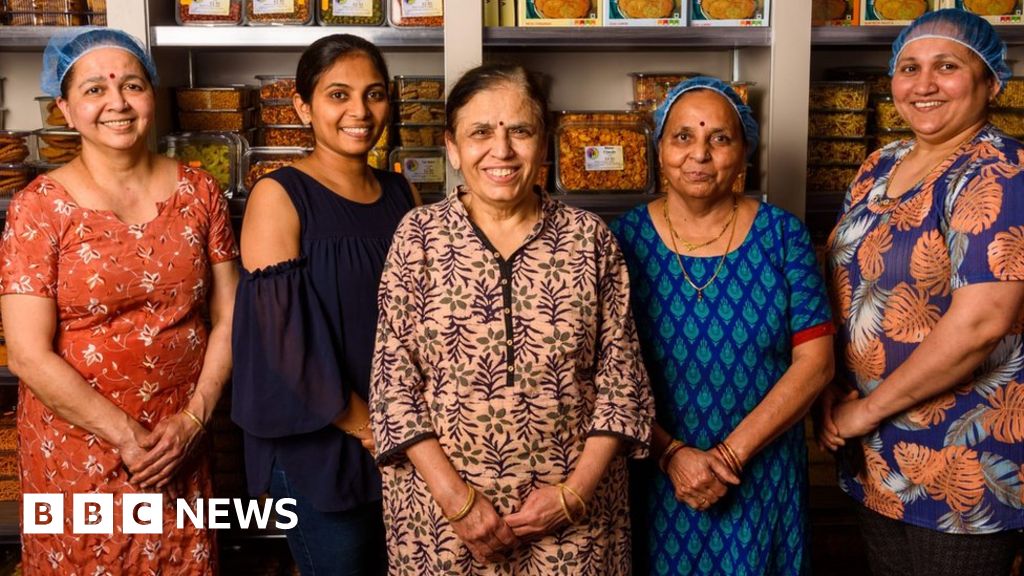






“For me personally, it’s about maintaining the connection with the motherland, the fatherland – whatever you call it,” she says.
She laughs as she describes her love of Indian mangos, and admits she regularly would regularly order from a particular store online in a bid to get her mango fix, especially during the pandemic.
“It’s what I used to eat growing up in India every summer – every day after every meal.”
Maria Elo, is an associate professor at the University of Southern Denmark who has a number of books and articles on diaspora and trade.
She says it’s important to be aware of the framing that occurs whenever diaspora is discussed, with migrants often described in one of two ways.
One narrative is that migration and diaspora are problematic. Prof Elo describes that as a “deficit view” with negative connotations. But she adds there is also a positive narrative, which involves “a big promise for business and economy”.
She adds that research shows that diaspora entrepreneurs are agile, and encourage cross-over products. “We all eat pizza today, although we’re not all Italians and that is something that crossed over a long time ago.”