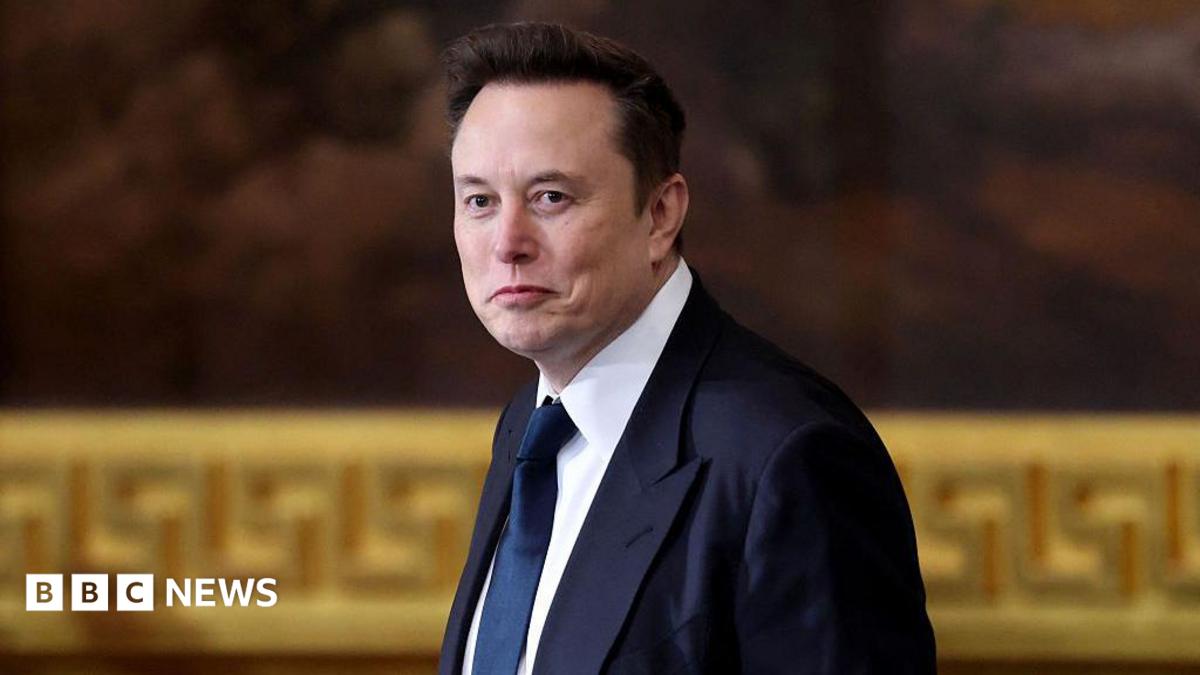









Becoming a public company will lead to more scrutiny, but Musk will keep almost total control.
He will maintain roughly 40% of SpaceX total equity through his holding of different types of shares, which come with extra voting rights meaning he effectively controls 85% of the company.
With so much control consolidated with Musk, SpaceX will not even need to have on its board of directors anyone considered to be “independent” – who does not have a direct personal or financial interest in the company.
Such control creates potential risk for investors, according to analysis from Harvard Law School, external, because SpaceX insiders will be able to make decisions on business deals, including possible acquisitions of other Musk-owned entities, and his compensation.
Already, SpaceX has acquired Musk’s startup xAI, which itself acquired the social media platform X in 2025. Musk bought the platform formerly known as Twitter in 2022.
Asked about the governance structure, chief operating officer Shotwell told CNBC: “There is no-one who can run this company other than Elon, frankly. We want Elon to have that kind of control.”
Musk has divided public opinion in recent years, using his power and wealth in controversial ways.
He helped fund Donald Trump’s second run for office before their relationship imploded, secured billions in US government contracts and has dabbled in the internal affairs and politics of other countries.
His posts and comments about matters in the UK, Germany and other European states have frequently angered politicians. Sometimes they appeared to have come at a cost to his businesses.